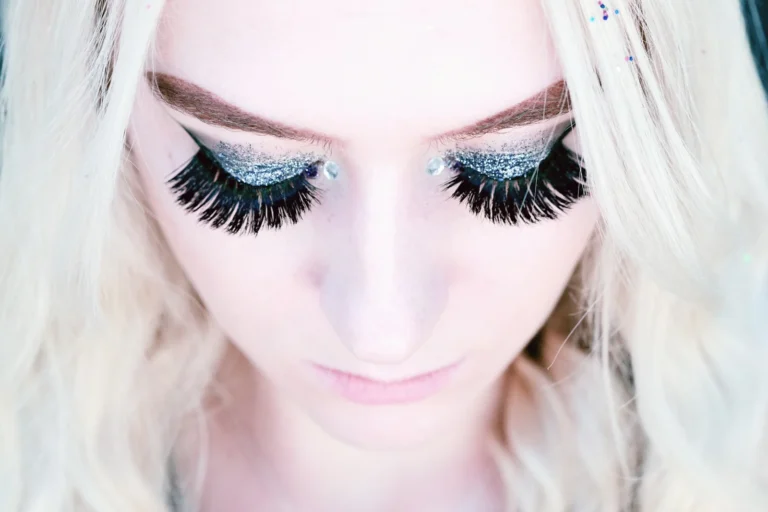



A style name describes a direction. The product itself tells you more: how the length changes across the shape, how densely the fibers are arranged and how visible the base appears. Compare those details before deciding whether a “natural” or “wispy” option is the one you intended.
Compare the shape as well as the length
A longer outer profile and a more balanced profile can create quite different outlines. Product photographs are useful when they show the full shape and the base, not only a close crop of the tips. A side view helps explain the curl reference as well.
Density and spacing also affect the silhouette. For a brand buyer, these features belong in the sample brief. Ask which details are still open for discussion, and use a numbered reference when approving the final style.
Keep the product format clear
Strip lashes, clusters and professional extension trays should be selected for their intended application system. The appearance of a completed look does not tell you which product format, adhesive or application process was used to create it.
When comparing a new style with an existing one, keep the format and viewing conditions consistent. Otherwise, a change in the photograph or application can be mistaken for a change in the lash product.
Follow the instructions for the particular product
Cleaning, removal and reuse instructions depend on the product and any adhesive used with it. Do not assume that a cleaning method or solvent suitable for one format is suitable for another. If the instructions are missing or unclear, obtain clarification before use rather than improvising a method.
Keep the product and its holder clean, and follow the stated storage conditions. For general eye-cosmetic hygiene, the FDA advises clean hands and instruments, avoiding shared cosmetics and stopping use if irritation occurs. That guidance does not replace the instructions or safety assessment for a particular lash or adhesive product.
Give customers information they can use
Brands should match product photographs, pack counts and instructions to the actual retail unit. A useful description explains what is included and how the product is intended to be used. Reuse or wear claims need support for the product being sold; they should not be copied from a similar-looking item.
For product development, see how to turn a style reference into a buying brief. Before accepting a production reference, use the lash sample inspection checklist to keep appearance, handling and documentation decisions separate.